
Ultimate Selection Of Cement Removal Tools For Heavy Duty Tasks
Find the most powerful and reliable products tailored for tough cement removal jobs, delivering professional results every time.
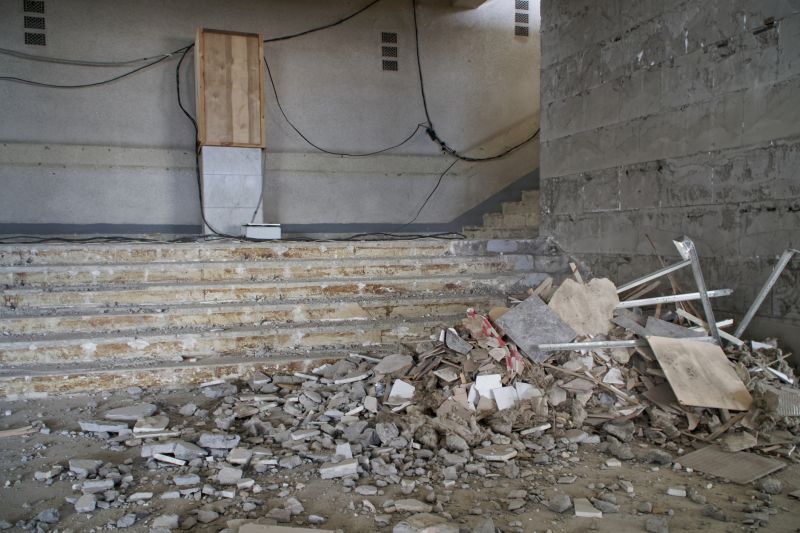 Removing cement can be a challenging task that requires the right tools and products to ensure safety and effectiveness. Whether you're undertaking a small repair or a large demolition project, selecting appropriate cement removal products is essential for achieving desired results without damaging surrounding surfaces. Various options are available, ranging from manual tools to powerful power equipment, each suited for different scales of work and types of cement deposits.
Top Overall Option
Heavy-Duty Demolition Hammer
A versatile demolition hammer designed for effective cement removal, combining powerful impact with ergonomic handling. It is suitable for breaking up thick cement layers and durable enough for repeated use on tough materials. Its adjustable settings and compatibility with various chisel attachments make it adaptable for different tasks, providing a reliable option for both DIY enthusiasts and professionals.
Types of Products For Cement Removals
Manual Chisels and Hammers
Traditional hand tools used for detailed or small-scale cement removal, offering precision and control.
Rotary Hammer Drills
Power tools equipped with rotary action and chisel attachments, ideal for breaking up tough cement surfaces efficiently.
Demolition Saws
Heavy-duty saws designed to cut through cement and concrete quickly, useful for larger demolition projects.
Chemical Cement Removers
Chemical solutions formulated to soften or dissolve cement, facilitating easier removal with less physical effort.
Concrete Grinders
Power tools with grinding discs used to smooth or remove cement layers from surfaces.
Hammer and Chisel Sets
Complete sets combining manual tools for detailed work or small areas requiring precision.
Electric Jackhammers
Corded or cordless jackhammers that deliver impactful force for breaking up cement quickly.
Pneumatic Breakers
Air-powered tools suitable for heavy-duty cement removal in professional settings.
Dust Extraction Attachments
Accessories that connect to power tools to reduce dust during cement removal work.
Cement Removal Blades
Specialized blades designed for use with saws to cut through cement and concrete surfaces.
Hydraulic Breakers
Heavy equipment attachments that use hydraulic power for large-scale cement demolition.
Surface Scarifiers
Tools used to roughen or remove surface layers of cement for preparation or removal.
Popular Choices
Portable power tools favored for their ease of use and versatility in cement removal tasks.
Widely used in construction for their impact power and efficiency on tough cement surfaces.
Popular for their ability to soften cement, making manual removal easier and less labor-intensive.
Versatile tools used for cutting and grinding cement and concrete surfaces.
Favored for their power and efficiency in breaking up large cement areas.
Popular in professional settings for their durability and impact force.
Effective for smoothing or removing cement from surfaces in renovation projects.
Handheld or walk-behind saws used for precise cuts through cement and concrete.
Emerging as a popular choice for safer and cleaner cement removal using abrasive media.
Increasingly favored for large-scale removal projects due to their power and efficiency.
Manual tools such as chisels and hammers are traditional choices that provide control and precision, especially for delicate or detailed work. Power tools, including rotary hammers and demolition drills, offer increased efficiency and are suitable for larger or tougher cement removal tasks. Chemical removers are also available for softer or more stubborn cement, working by breaking down the material for easier removal. When choosing a product, it is important to consider the specific requirements of your project, including the surface type, cement thickness, and safety considerations.
Safety should always be a priority when working with cement removal products. Proper protective gear, such as gloves, goggles, and masks, is recommended to prevent injury from dust, debris, or chemical exposure. Additionally, reading and following manufacturer instructions ensures optimal performance and safety. For large-scale projects, renting or investing in professional-grade equipment might be necessary, while smaller tasks can often be handled effectively with hand tools and chemical solutions. Proper preparation and selecting the right product combination can make cement removal more manageable and less labor-intensive.
Key Buying Considerations
- Project scale and cement thickness to determine the appropriate tool power.
- Surface material and fragility to choose gentle or aggressive removal methods.
- Type of cement deposit—soft, hardened, or embedded—affects product choice.
- Safety features such as vibration control, dust extraction, and ergonomic design.
- Compatibility of attachments and accessories with existing tools or equipment.
- Ease of use and handling, especially for DIY projects or extended use.
- Availability of replacement parts and ongoing maintenance requirements.
- Power source preferences—corded, cordless, pneumatic, or hydraulic—based on mobility needs.
- Chemical compatibility if opting for chemical removers to avoid surface damage.
- Environmental conditions, like indoor or outdoor use, influencing product selection.
- Budget constraints balanced with the desired effectiveness and durability.
- Brand reputation and user reviews to gauge reliability and performance.
- Storage and portability considerations for tools and accessories.
- Compliance with safety standards and certifications relevant to your region.